
3 Days in Tokyo
Use Tokyo's rail network to reach one cluster, then explore that area at street level instead of riding all day.
Last updated . Opening days, entry rules, fares and road conditions can change. Recheck the official sources linked below before travel.
Tokyo becomes manageable when rail is the connection between days rather than the activity inside them. This route gives the older east, the youth and design districts of the west, and the imperial centre one complete day each.
Are three days enough for Tokyo?
3 full days are enough for 3 Tokyo clusters, with 1 side of the city assigned to each day.
The route leaves out day trips and the outer neighbourhoods. Add those after Tokyo has three complete city days, not before.
The plan at a glance
- Day
- 1
- Area
- Asakusa and Ueno
- What needs planning
- No fixed entry in this plan
- Day
- 2
- Area
- Harajuku and Shibuya
- What needs planning
- No fixed entry in this plan
- Day
- 3
- Area
- The centre and Shinjuku
- What needs planning
- No fixed entry in this plan
| Day | Area | What needs planning |
|---|---|---|
| 1 | Asakusa and Ueno | No fixed entry in this plan |
| 2 | Harajuku and Shibuya | No fixed entry in this plan |
| 3 | The centre and Shinjuku | No fixed entry in this plan |
Tokyo field notes
The city between the itinerary stops
Tokyo is not only a set of attractions. Road paint, tiled entrances, lantern light and themed storefronts are part of what makes each walk feel specific.
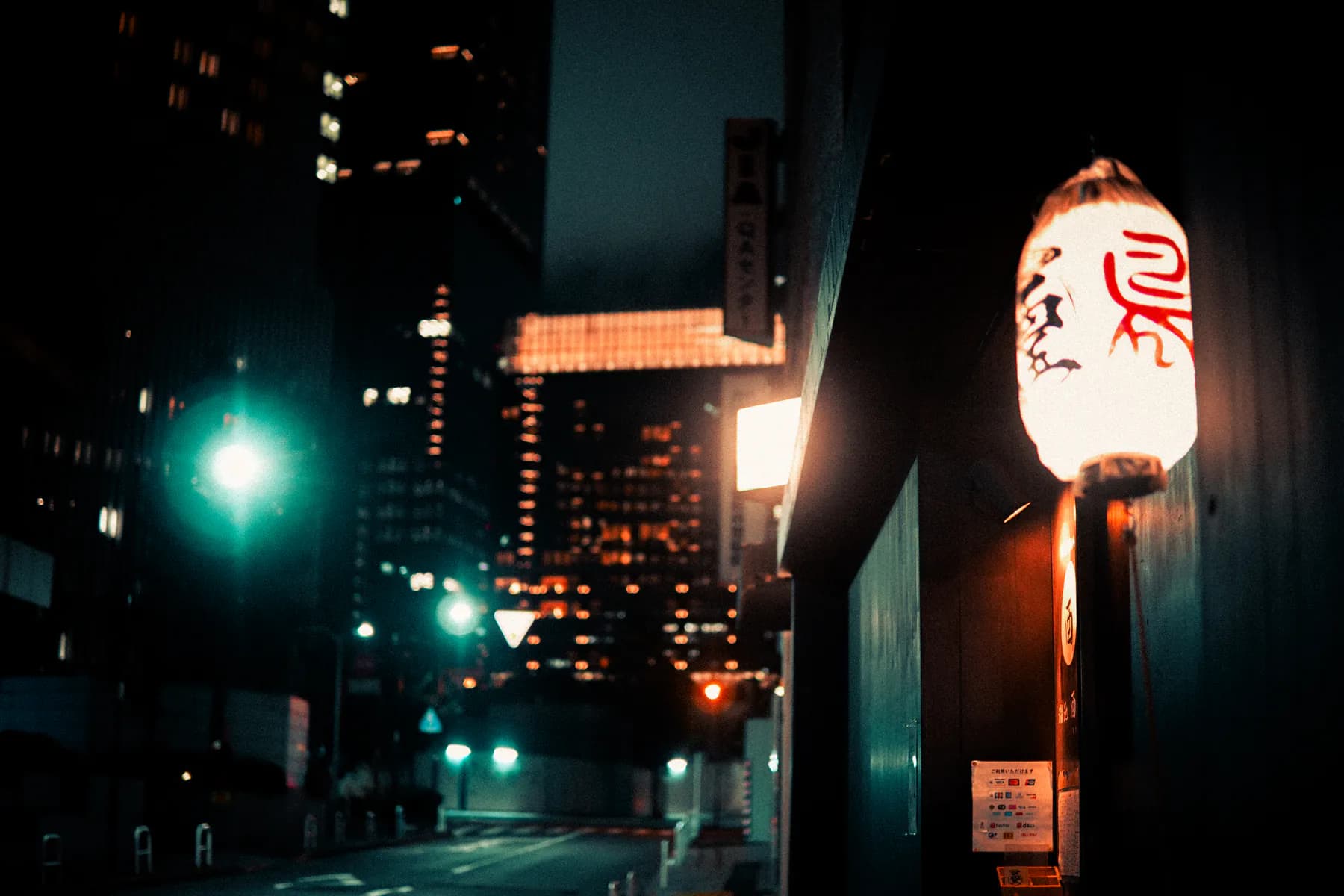
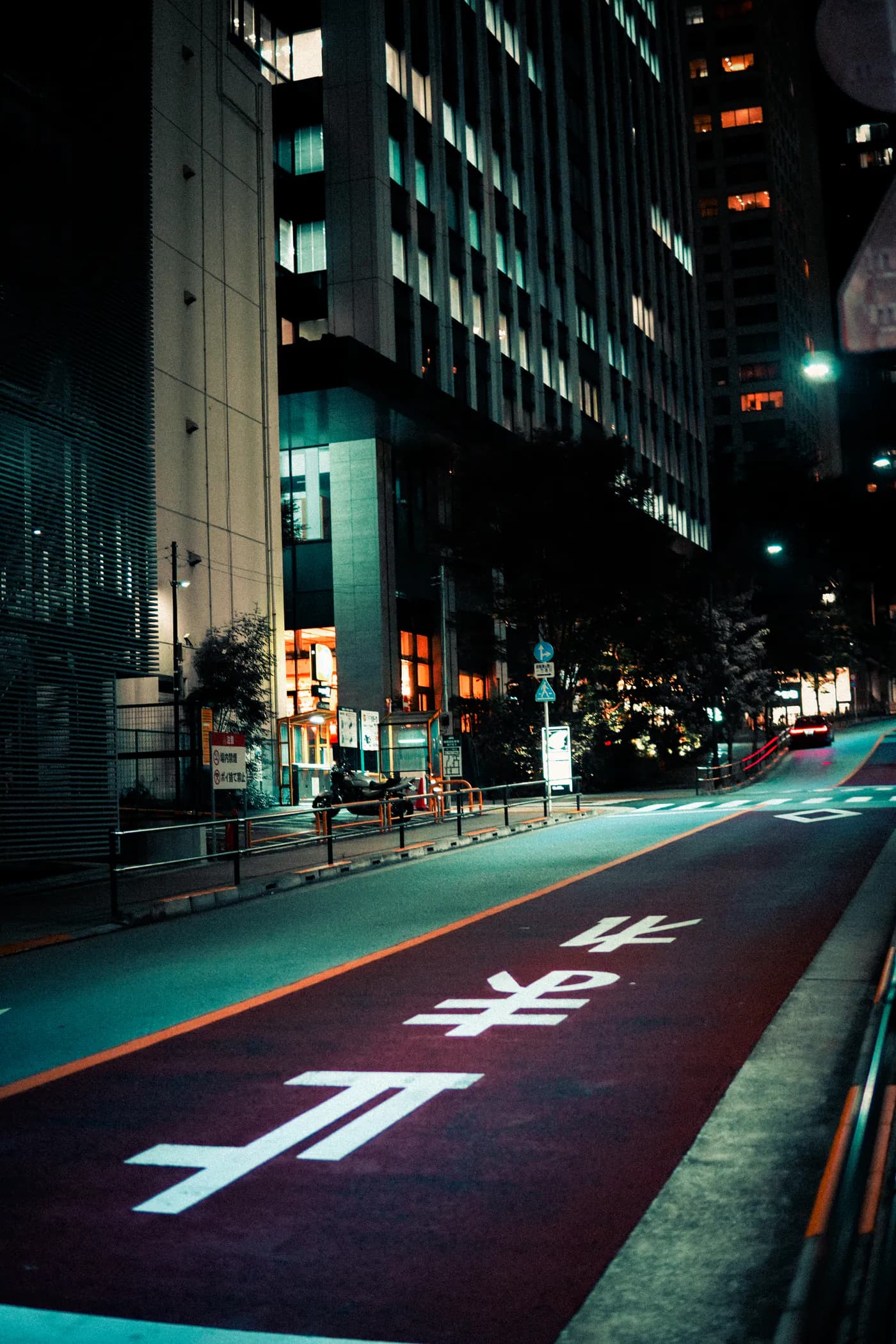
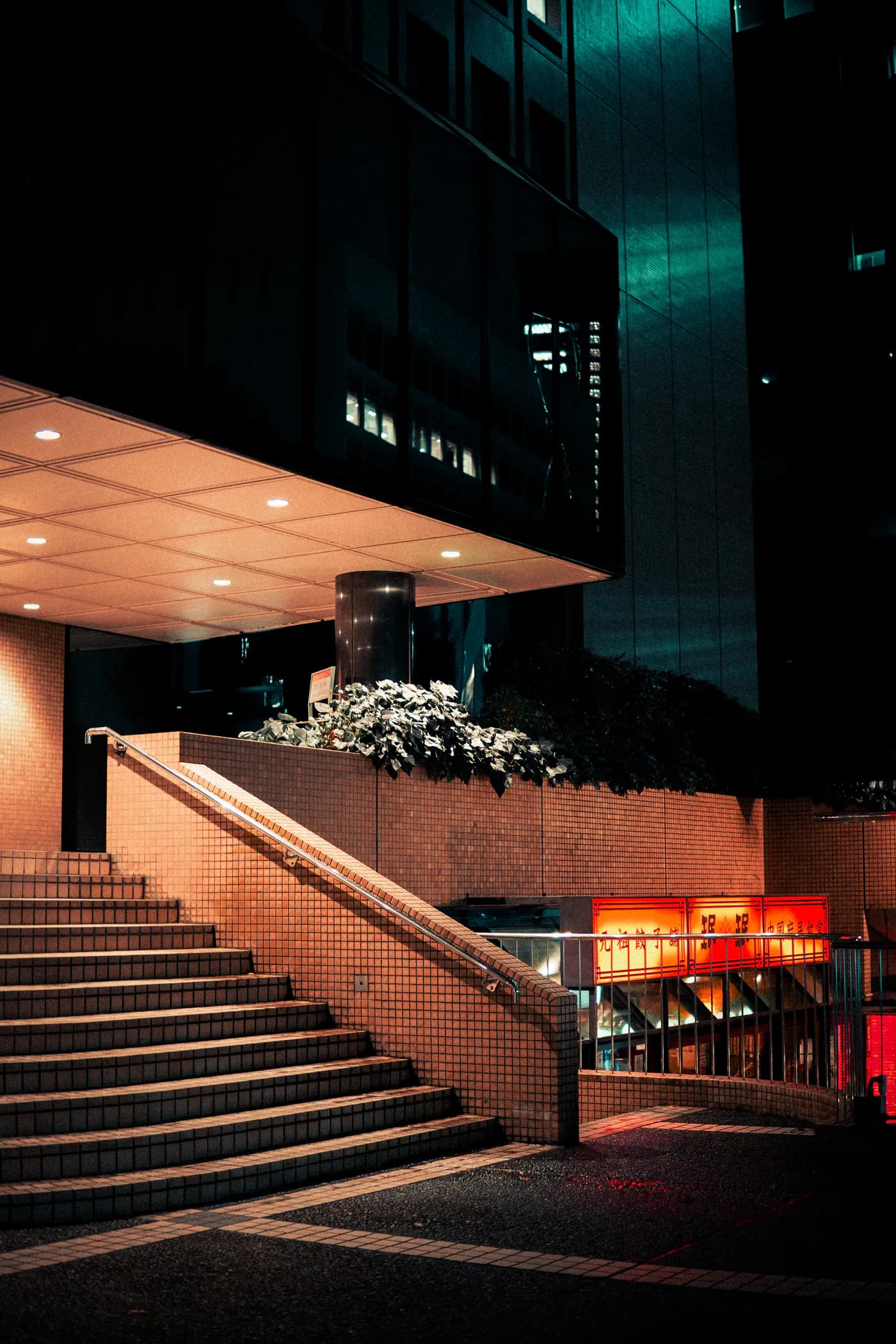
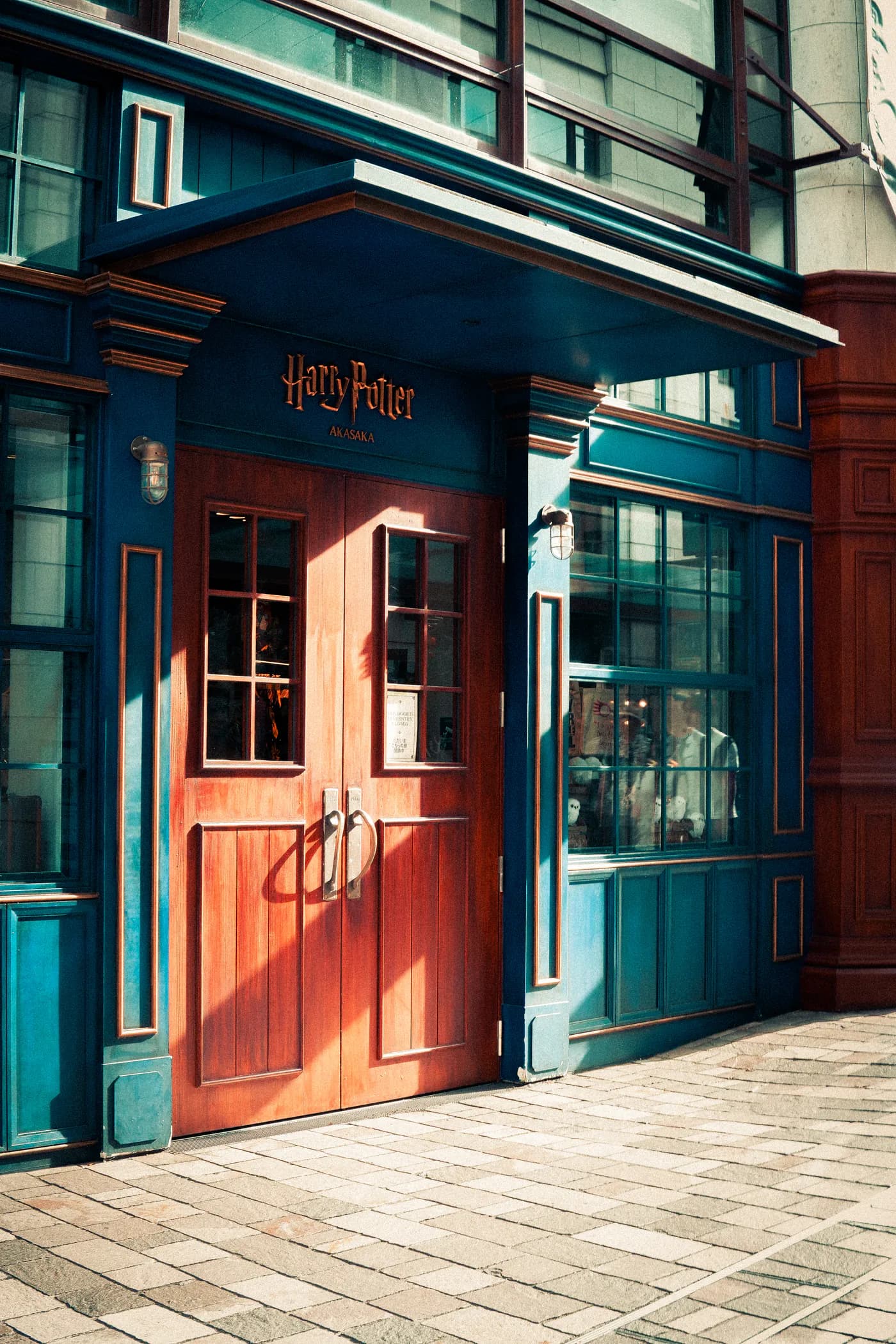
Photographs by Tristan Grech in Tokyo, August 2026.
The route at a glance
12 mapped stops · 3 days
Live route map
OpenStreetMap tiles
Loading the OpenStreetMap map.
Route stops
Follow the numbered order through each day.
Day 1: Asakusa and Ueno
- 1Sensōji · about 90 minutes
- 2Kappabashi · about an hour
- 3Tokyo National Museum · about 2 hours
- 4Ameyoko · evening
Day 2: Harajuku and Shibuya
- 5Meiji Jingu · about 90 minutes
- 6Cat Street · about 90 minutes
- 7Shibuya Crossing · about 30 minutes
- 8Shibuya · evening
Day 3: The centre and Shinjuku
- 9Imperial Palace East Gardens · about 2 hours
- 10Marunouchi · about 90 minutes
- 11Shinjuku Gyoen · about 2 hours
- 12Shinjuku · evening
Day 1: Asakusa and Ueno
Begin in the older east before the busiest temple hours, then continue west to Ueno without crossing the city.
- On foot
- About 6 km, with rail available for the final section
Morning
Sensōjiabout 90 minutes
Arrive early enough to see the temple precinct before Nakamise becomes the main event. The surrounding lanes are part of the visit.
Kappabashiabout an hour
The kitchenware street gives the walk west a purpose and is more specific than another general shopping arcade.
Afternoon
Tokyo National Museumabout 2 hours
Choose one gallery building rather than treating the whole Ueno museum district as one stop.
Ameyokoevening
Finish among small shops and casual food near the station, which keeps the return journey simple.
Day 2: Harajuku and Shibuya
Use Meiji Jingu as the quiet opening, then move south through fashion streets toward Shibuya after dark.
- On foot
- About 7 km with many optional side streets
Morning
Meiji Jinguabout 90 minutes
Enter through the forest approach and allow the change in sound to be the point, not merely the shrine building.
Cat Streetabout 90 minutes
Walk south on the quieter parallel route and choose a few shops rather than attempting every retail complex.
Afternoon and evening
Shibuya Crossingabout 30 minutes
The crossing is a transition, not a half day attraction. Continue into the smaller streets after one elevated view.
Shibuyaevening
Stay for dinner so the district changes around you instead of commuting elsewhere at peak time.
Day 3: The centre and Shinjuku
Start with the gardens or palace perimeter, then finish in Shinjuku where the city works best after dark.
- On foot
- About 6 km plus one direct rail journey
Morning
Imperial Palace East Gardensabout 2 hours
Check opening days before travel. If closed, use the palace perimeter and Marunouchi streets rather than crossing town for a substitute.
Marunouchiabout 90 minutes
The station architecture and business district create a useful contrast with the first two days.
Afternoon and evening
Shinjuku Gyoenabout 2 hours
Use the garden as the afternoon anchor and verify its closing time before setting the sequence.
Shinjukuevening
Finish with one observation point or one small nightlife area. Trying to sample all of Shinjuku produces only transit.
What is worth the time, and what is not
Worth your time
- One neighbourhood after dark. Staying through evening reveals more than a second daytime crossing of the city.
- An early eastern start. Asakusa is calmer before the retail streets fill.
Skip it
- A day trip inside three days. Tokyo has not had enough time before a long suburban journey is added.
- Every observation deck. Choose one view and spend the saved hours at street level.
Why this route works
The route uses rail once or twice to reach a district and walking to understand it. East, west and centre are distinct enough to make each day memorable without pretending Tokyo can be completed.
Book the trip
Start with Tokyo, dates and travellers
Compare the travel services first, then use the itinerary below to plan each day.
- Flights
Choose your airports, travel dates and passenger count.
Search flights - Hotels
Search stays near the places in this route.
Search Booking.com - Activities
Check tours and tickets for the stops you want to keep.
Find activities
You book each service directly with its supplier. These separate bookings do not form a RoamWeek package.
Read next
- How RoamWeek chooses and orders suggestions
The route is ordered by fit and geography, never by commission.
What we checked
- GO TOKYO, attractions read 23 August 2026
- GO TOKYO, Shibuya read 23 August 2026
- Tokyo Metro, visitor tickets read 23 August 2026
Why this page exists. Tokyo is the only city page in the set where a loop railway makes east, west and central clustering both memorable and operationally simple.