
7 Days in Japan
Three Tokyo days, one honest transfer and three Kyoto days fit a first week without turning it into a station tour.
Last updated . Opening days, entry rules, fares and road conditions can change. Recheck the official sources linked below before travel.
A first week in Japan needs fewer hotel changes, not more famous city names. Tokyo and Kyoto already provide two different urban systems, and the current nationwide rail pass should be priced against this exact journey rather than bought by habit.
Is seven days enough for Japan?
7 days are enough for 2 bases, Tokyo and Kyoto, with 1 Shinkansen transfer and no rushed third city.
This is six useful sightseeing days once arrival and the intercity move are acknowledged. Osaka can replace a Kyoto evening, but it is not treated as another base.
The plan at a glance
- Day
- 1
- Area
- Tokyo arrival and Asakusa
- What needs planning
- No fixed entry in this plan
- Day
- 2
- Area
- Meiji Jingu and Shibuya
- What needs planning
- No fixed entry in this plan
- Day
- 3
- Area
- Ueno and the centre
- What needs planning
- No fixed entry in this plan
- Day
- 4
- Area
- Shinkansen to Kyoto
- What needs planning
- A train seat when travelling in a busy period
- Day
- 5
- Area
- Eastern Kyoto
- What needs planning
- Check temple opening information
- Day
- 6
- Area
- Arashiyama and northwest Kyoto
- What needs planning
- No fixed entry in this plan
- Day
- 7
- Area
- Fushimi Inari and departure
- What needs planning
- No fixed entry in this plan
| Day | Area | What needs planning |
|---|---|---|
| 1 | Tokyo arrival and Asakusa | No fixed entry in this plan |
| 2 | Meiji Jingu and Shibuya | No fixed entry in this plan |
| 3 | Ueno and the centre | No fixed entry in this plan |
| 4 | Shinkansen to Kyoto | A train seat when travelling in a busy period |
| 5 | Eastern Kyoto | Check temple opening information |
| 6 | Arashiyama and northwest Kyoto | No fixed entry in this plan |
| 7 | Fushimi Inari and departure | No fixed entry in this plan |
Tokyo field notes
The city between the itinerary stops
Tokyo is not only a set of attractions. Road paint, tiled entrances, lantern light and themed storefronts are part of what makes each walk feel specific.
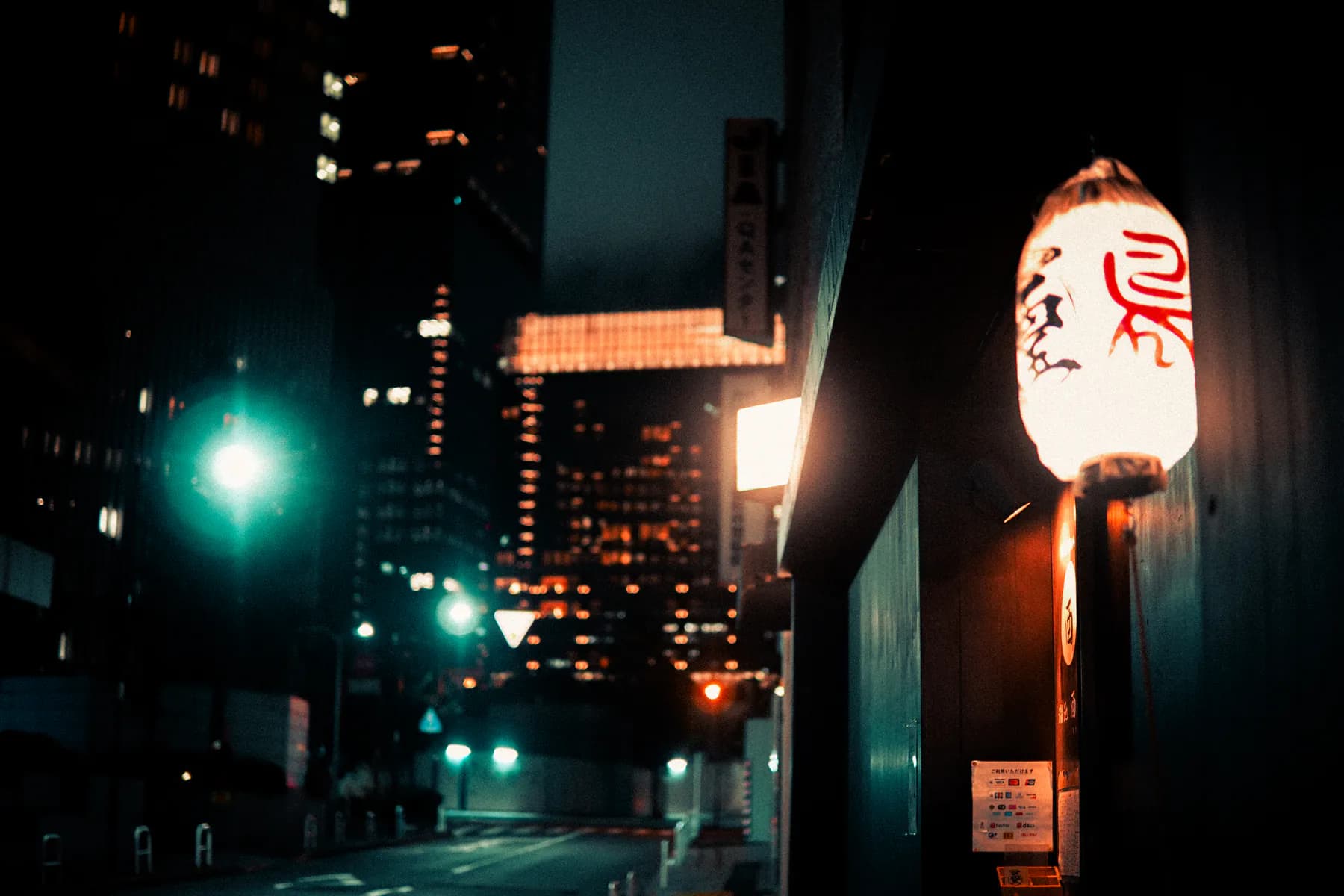
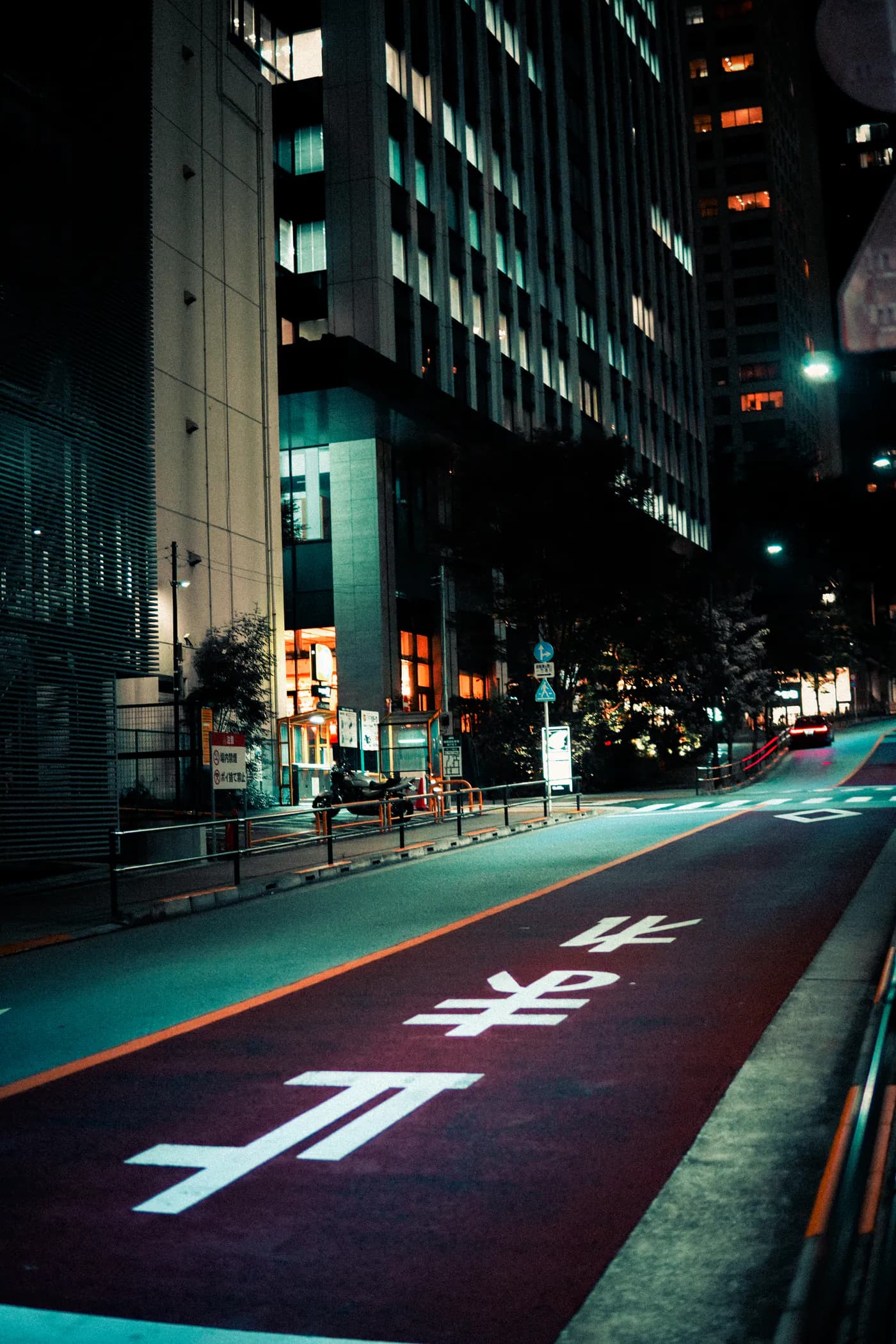
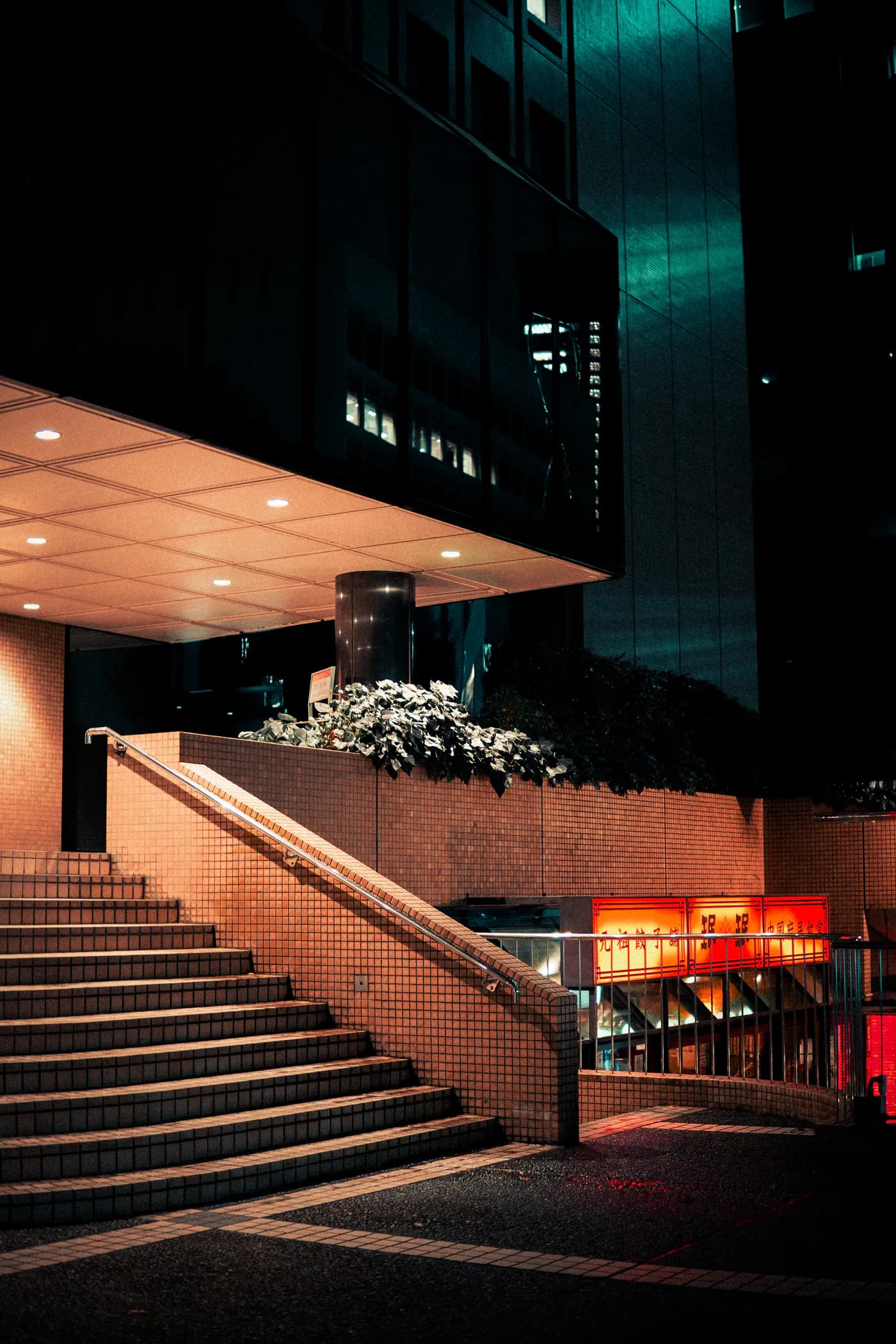
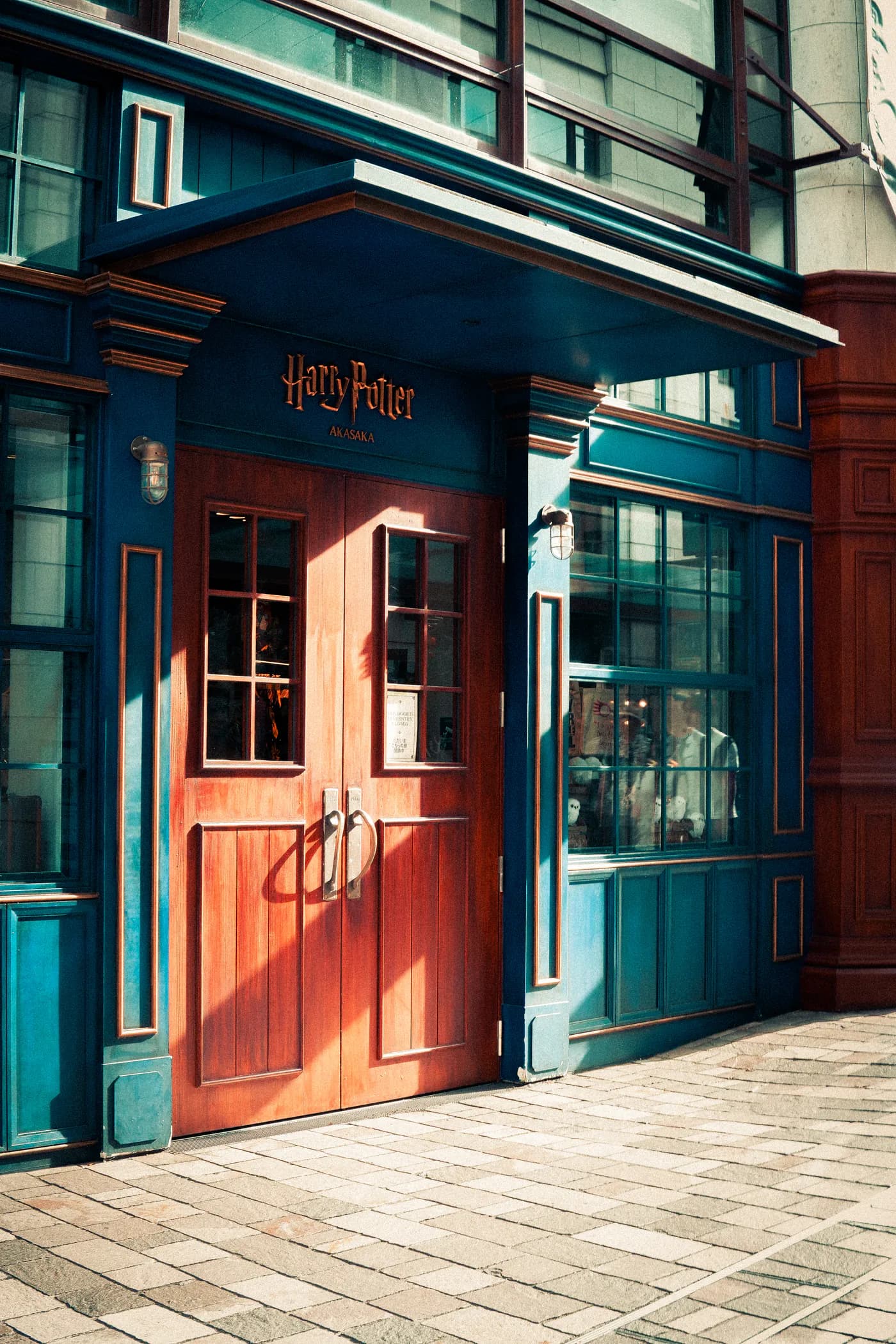
Photographs by Tristan Grech in Tokyo, August 2026.
The route at a glance
14 mapped stops · 7 days
Live route map
OpenStreetMap tiles
Loading the OpenStreetMap map.
Route stops
Follow the numbered order through each day.
Day 1: Tokyo arrival and Asakusa
- 1Asakusa · about 2 hours
- 2Sumida River · evening
Day 2: Meiji Jingu and Shibuya
- 3Meiji Jingu · about 90 minutes
- 4Shibuya · afternoon and evening
Day 3: Ueno and the centre
- 5Ueno Park · about 3 hours
- 6Tokyo Station · about 2 hours
Day 4: Shinkansen to Kyoto
- 7Tokyo Station · morning
- 8Kyoto Station · afternoon
Day 5: Eastern Kyoto
- 9Kiyomizu dera · about 2 hours
- 10Gion · evening
Day 6: Arashiyama and northwest Kyoto
- 11Arashiyama Bamboo Grove · about 45 minutes
- 12Tenryūji · about 90 minutes
Day 7: Fushimi Inari and departure
- 13Fushimi Inari Taisha · about 2 hours
- 14Kyoto Station · departure
Day 1: Tokyo arrival and Asakusa
Keep the arrival day light and stay in eastern Tokyo so jet lag does not collide with a booked attraction.
Afternoon and evening
Asakusaabout 2 hours
Walk the temple district and nearby lanes without a fixed entry. It is easy to shorten if arrival runs late.
Sumida Riverevening
Finish beside the river for open space and a simple dinner search rather than another rail journey.
Day 2: Meiji Jingu and Shibuya
Move from the shrine forest through Harajuku to Shibuya in one southward walk.
- On foot
- About 7 km with optional rail exits
Full day
Meiji Jinguabout 90 minutes
Begin with the wooded approach while the day is quiet, then leave through the Harajuku side.
Shibuyaafternoon and evening
Let the district carry afternoon and evening instead of commuting to a second nightlife centre.
Day 3: Ueno and the centre
Choose one Ueno museum, then use Marunouchi and the station area for a contrasting afternoon.
- On foot
- About 5 km plus one direct train
Full day
Ueno Parkabout 3 hours
Select one collection based on your interests rather than attempting the whole museum district.
Tokyo Stationabout 2 hours
Explore the restored station and nearby streets, then prepare luggage for the next morning.
Day 4: Shinkansen to Kyoto
Treat the Tokyo to Kyoto move as part of the trip and give the arrival afternoon to central Kyoto.
- Book before you go
- A train seat when travelling in a busy period
Transfer and afternoon
Tokyo Stationmorningbook ahead
Buy food before boarding and arrive with time to find the correct platform without sprinting.
Kyoto Stationafternoon
Leave luggage, then keep the first Kyoto walk central instead of crossing immediately to an outer temple.
Day 5: Eastern Kyoto
Start at Kiyomizu dera and walk north through preserved streets, ending around Gion rather than taking repeated buses.
- On foot
- About 7 km with slopes and steps
- Book before you go
- Check temple opening information
Full day
Kiyomizu deraabout 2 hours
Arrive early and descend through the preserved streets, using gravity and geography to set the day's direction.
Gionevening
Finish after the day visitors thin, while remembering this is a lived neighbourhood with photography restrictions in private lanes.
Day 6: Arashiyama and northwest Kyoto
Visit the grove early, then give the wider district enough time to be more than one crowded path.
- On foot
- About 6 km with local rail
Full day
Arashiyama Bamboo Groveabout 45 minutes
Pass through early, then continue. The grove is a short path, not the whole reason to cross Kyoto.
Tenryūjiabout 90 minutes
The garden and temple provide the depth that a photograph in the grove does not.
Day 7: Fushimi Inari and departure
Use an early shrine walk for the final morning and keep the rest of the day aligned with the departure station or airport.
- On foot
- Choose a turnaround point that protects departure time
Morning
Fushimi Inari Taishaabout 2 hours
Start early and turn back when the time budget says so. Completing the entire mountain circuit is optional.
Kyoto Stationdeparture
Return with enough margin to collect luggage and handle the onward connection without turning the final memory into a sprint.
What is worth the time, and what is not
Worth your time
- Two bases. Tokyo and Kyoto get real neighbourhood days without repeated packing.
- One clear transfer day. The schedule admits the intercity move instead of hiding it inside two full sightseeing days.
Skip it
- Hiroshima in this week. The added long journey weakens both Kyoto and Tokyo.
- A rail pass bought automatically. The route should determine the ticket, not an old rule of thumb.
Why this route works
Three Tokyo days and three Kyoto days create two coherent halves. The transfer day is useful but honestly lighter, and the final morning stays flexible around departure.
Book the trip
Start with Japan, dates and travellers
Compare the travel services first, then use the itinerary below to plan each day.
- Flights
Choose your airports, travel dates and passenger count.
Search flights - Hotels
Search stays near the places in this route.
Search Booking.com - Activities
Check tours and tickets for the stops you want to keep.
Find activities
You book each service directly with its supplier. These separate bookings do not form a RoamWeek package.
Read next
- How RoamWeek chooses and orders suggestions
The route is ordered by fit and geography, never by commission.
What we checked
- Japan National Tourism Organization, itineraries read 23 August 2026
- Japan Rail Pass, types and prices read 23 August 2026
- JR Central, Kyoto by Shinkansen read 23 August 2026
Why this page exists. This is the only route in the set where the old default advice to buy a nationwide rail pass can cost more than point to point travel for the route shown.